
The throwaway culture defines modern life. People buy, use, and toss without thinking twice. Coffee cups get five minutes of use. Plastic bags carry groceries once. Then they sit in landfills for centuries. This mindset shaped the last fifty years of American life. Now something different stirs. People question whether treating everything as temporary makes sense anymore.
How We Got Here
Disposable products promised convenience after World War II. Manufacturers sold dreams of saved time and effort. No washing dishes. No carrying shopping bags from home. Just use it and throw it away. Americans loved the pitch. Companies made fortunes on single-use everything. Plastic got cheaper to produce each year. Marketing convinced people that new always beat fixing old. Why repair a toaster when a new one costs twenty bucks? This logic infected everything. Furniture became temporary. Electronics lasted two years, maybe three. Relationships grew more disposable, too. Society decided newer meant better, always.
Read More: The Benefits of Taking a Professional Teeth Whitening Session in Denton, TX
The environmental bill stayed hidden for decades. Trash disappeared from sight at the curb. Ocean garbage patches grew where nobody looked. Microplastics spread through rivers and streams. Through tap water. Through rain. The cost of convenience kept climbing, but the bill never came due. Until now.
The Shift Taking Shape
Young consumers see things differently. They grew up watching environmental disasters on their phones. Forests burning. Whales full of plastic bags. Birds strangled by six-pack rings. These images pop up between birthday photos and memes. Hard to ignore the connection between your morning coffee cup and a dying seal when both show up in your Instagram feed.
Money motivates change, too. People do the math finally. Disposable products drain bank accounts slowly but surely. Twenty dollars a month on paper towels. Fifteen on plastic water bottles. Ten on coffee pods. It adds up. A decent water bottle costs thirty dollars once. It replaces thousands of plastic ones. Rechargeable batteries cost more upfront. They save hundreds over time. The numbers do not lie when you actually look at them.
Social pressure speeds everything up. Nobody wants to look wasteful at work or school. The person bringing lunch in disposable containers every day stands out now. Not in a good way. Reusable bags signal awareness. Disposable plates at parties feel cheap and lazy. These small moments of judgment push behavior change faster than any environmental campaign ever could.
Building New Habits
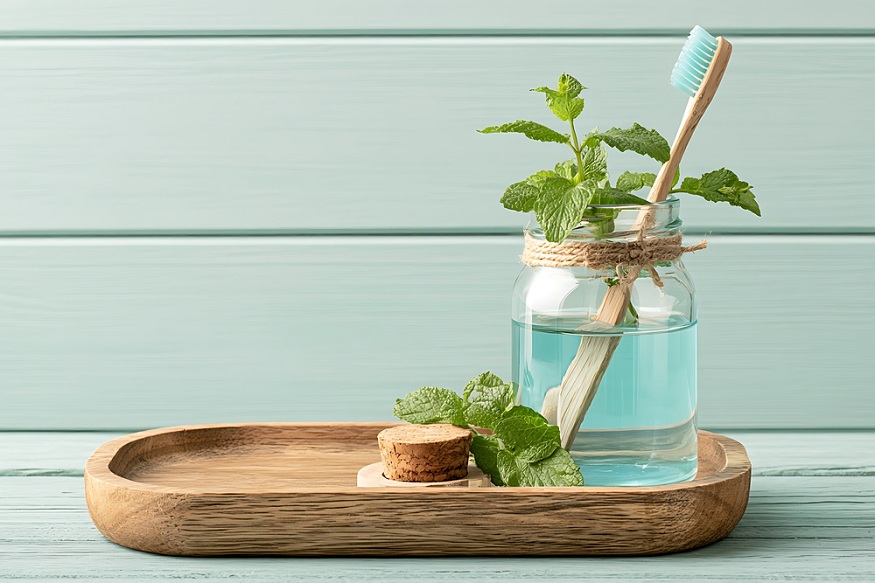
Leaving disposable thinking behind takes concrete action. Pick one room. The kitchen works well. Paper towels become washable cloths. Plastic wrap gives way to glass containers with lids. Success there makes the next change easier. Bathrooms hide opportunities most people miss. Routines there never get questioned. But sustainable oral care from companies like Ecofam shows everyday products work fine without waste. Bamboo handles replace plastic ones. Refillable containers eliminate tube after tube of toothpaste. Tiny switches matter when millions make them together.
Read More: Top Tips for Maintaining Oral Health Between Visits to Your Dentist
Technology plays a role. Apps track your waste reduction progress. Online groups share encouragement and advice. Repair videos resurrect forgotten skills. The same internet that pushed hyper-consumption for years now teaches its opposite. People learn to fix phones. Sew buttons. Patch jeans. Skills their grandparents knew return through YouTube tutorials.
Conclusion
The disposable era fades as awareness spreads. People see the true costs now. They feel waste’s weight. Quality matters more than convenience to growing numbers of Americans. Durability beats cheap and easy. Connection trumps consumption. The throwaway culture took decades to build. Its replacement won’t appear tomorrow. But momentum grows each time someone chooses reusable over disposable. The future depends on this change taking root. Signs point to it happening faster than anyone expected.